
Description
Calea Zacatechichi – “Dream Herb” or “Aztec Dream Grass”
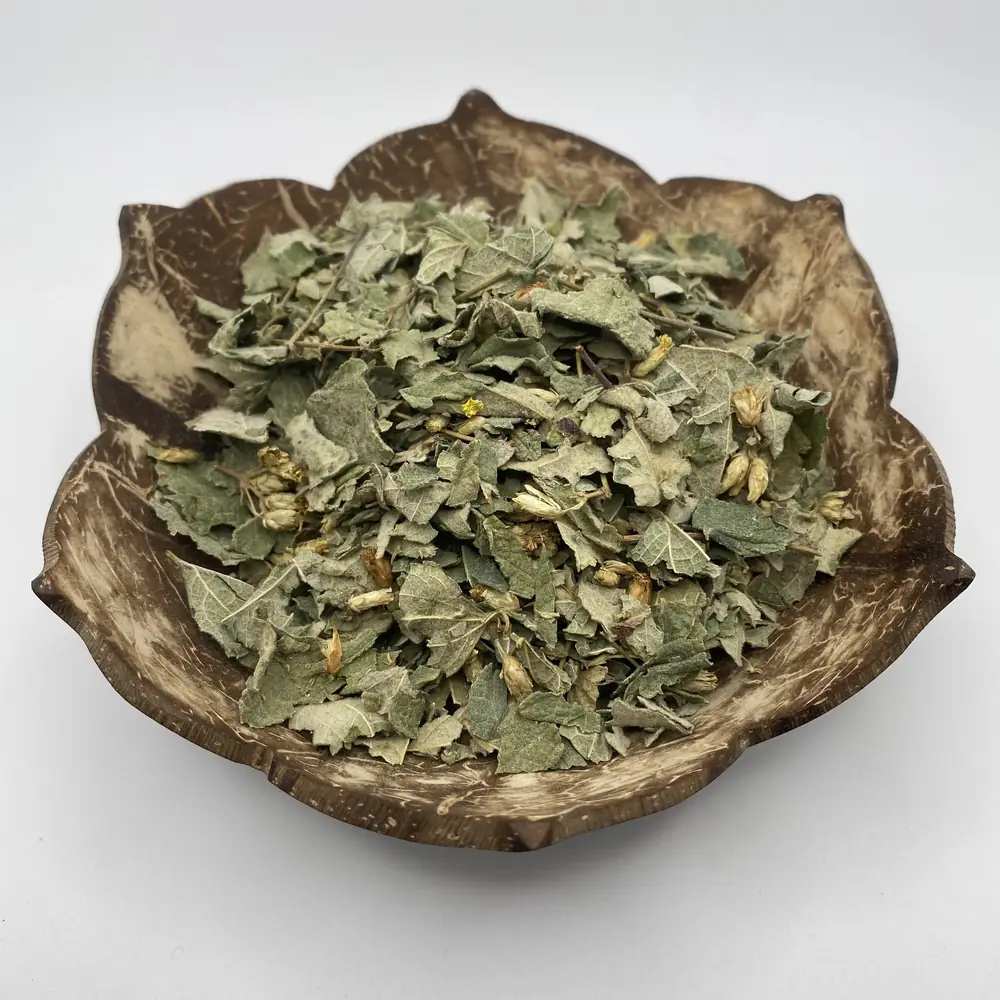
Wildcrafted Dried Leaf & Flower
Explore the long tradition of dream herbs with Calea zacatechichi, commonly known as the “Dream Herb” or “Aztec Dream Grass.” Natively known to the Chontal people in Oaxaca as “Thle-pela-kano” or “The Leaf of God,” this sacred plant was traditionally brewed into a bitter tea and drunk before sleep as part of dream ritual. The Chontal believed the gods spoke directly to people through their dreams, and that these dreams could be remembered in precise detail.
Today, many dream enthusiasts enjoy the herb as part of an evening ritual, and customers often tell us they pair it with a dream journal. Experiences are personal and vary widely: some people describe vivid, story-like dreams, while others notice very little.
Aztec Dream Grass is often prepared as a strong tea, a concentrated tincture, or rolled and smoked alongside the bitter brew in evening ritual. This ancient tradition is a favorite among herbalists, spiritual seekers, and dream explorers alike as a way of reflecting and connecting with the sacred while the body rests.
Highlights:
- Traditionally used in dream ritual and divination
- Can be brewed, combined into herbal blends, or incorporated into dream-time rituals
- Wildcrafted dried leaf & flower
- Sustainably sourced
Traditional accounts describe Mazatec shamans drinking a strong Calea tea and smoking the dried herb before sleep to practice “oneiromancy,” a form of divination in the dream realm, seeking guidance and a sense of connection with the spiritual world.
As with all herbs, preparation is personal, and the amount that feels right can vary quite a bit from one person to the next. A starting point many customers mention is 5 grams steeped for 20 minutes in near boiling water, combined with 1 gram rolled and smoked, though some use more. For those who prefer not to smoke, ~7 grams steeped as a tea is a common place to begin. A story we hear often is that the taste is intense, and some people set the herb aside before giving it a fair try.
When exploring your dreams, it can help to come with clarity and intention. Clean and smudge your space and get clear on what it is you want to explore. What is it you hope to learn, reflect on, or understand? Write your intention from a place of gratitude, giving thanks for your intended experience as if it has already come to pass. Do you want a flying dream? Is there a sacred site you want to visit? Someone you want to connect with or somewhere you need some clarity? As the tea steeps, state your intention with thanks, maybe journal, and meet the plant with initiative. A dream journaling practice makes for a rich record detailing intent, amount, and set/setting, and whatever else comes up. Upon waking, journal the experience; for many a written record can be more detail oriented while a voice recording tends toward deeper analysis rather than a log of specifics.
Avoid adding lemon, lime, or citrus to the tea as this tends to intensify and lock in the flavor. Honey or other sweeteners can be added but the flavor is bitter nonetheless. Some report success with a bit of milk and sugar to ease the sharp taste. If the flavor is too much, a tincture or our extract capsules can be an easier alternative.
Avoid if allergic to plants of the Asteraceae family, ie: Lettuce, artichoke, dandelion, sunflower, safflower, chamomile, milk thistle, etc.
The information provided based largely on anecdotal experience is for educational and informational purposes only. It is not a substitute for professional medical advice, diagnosis, or treatment. Always consult advise of your physician, pharmacist, or other qualified healthcare provider with any questions you may have regarding medical condition. These statements have not been evaluated by the Food and Drug Administration. This product is not intended to diagnose, treat, cure, or prevent any disease.



Reviews
There are no reviews yet.